




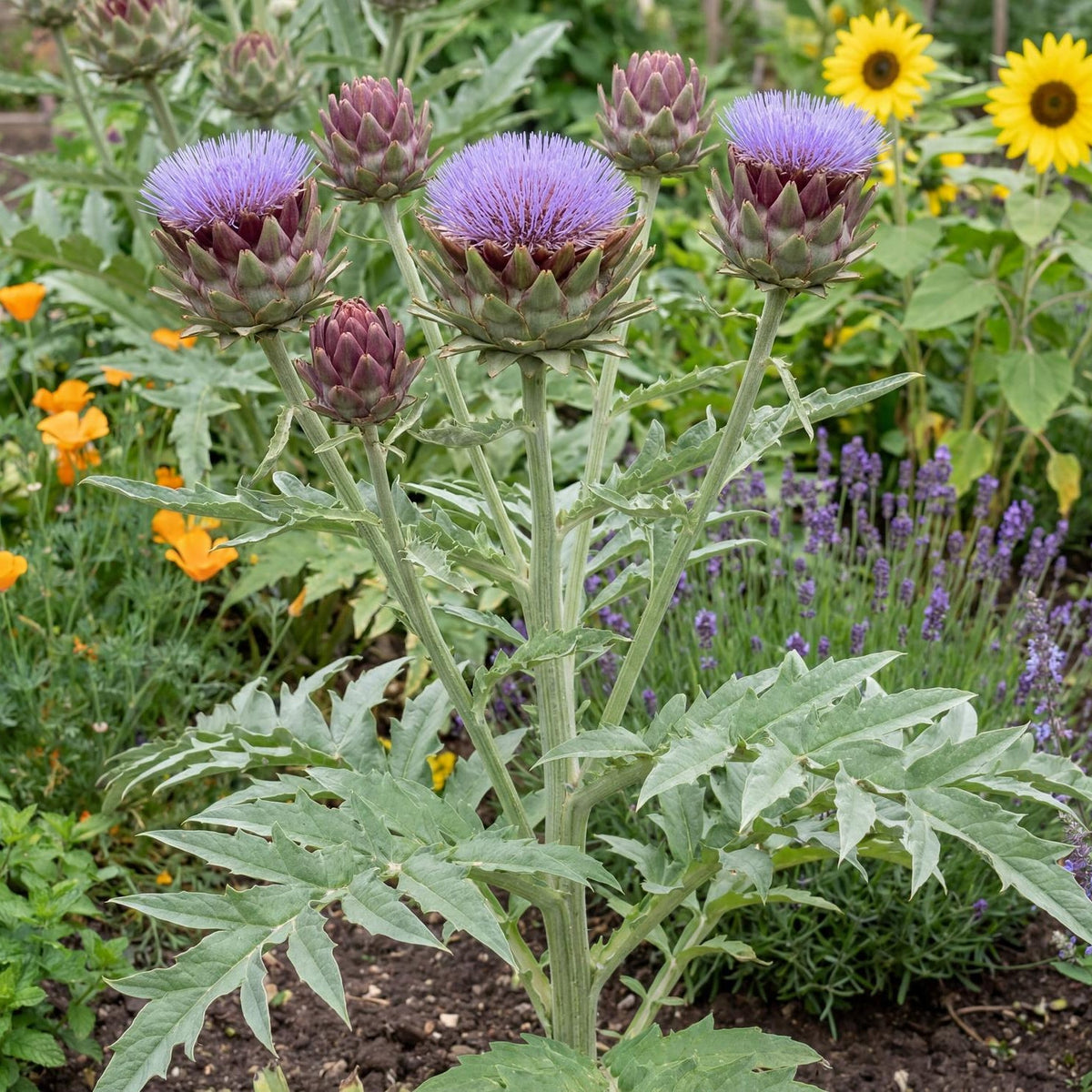


I purchased two of these. one immediately failed, but the other one seems to be doing fine
Hoping it’s not too late for these to bloom but they arrived safe and sound. Great packaging! Fast shipping.
Ordered blue star creeper plants, and the first set arrived dried out. At first, it appeared 2 of the 6 plants would survive, and Planted Places sent a replacement for the other 4. The other 4 arrived and initially looked better, but are continuing to die off as well. My guess is that the current heat fried all the plants while traveling. That would not be PP's fault, but I ended up spending nearly $100 for 2 sickly plants that still may end up dead. And this is after careful watering, appropriate light, and even some product to help stressed plants recover.
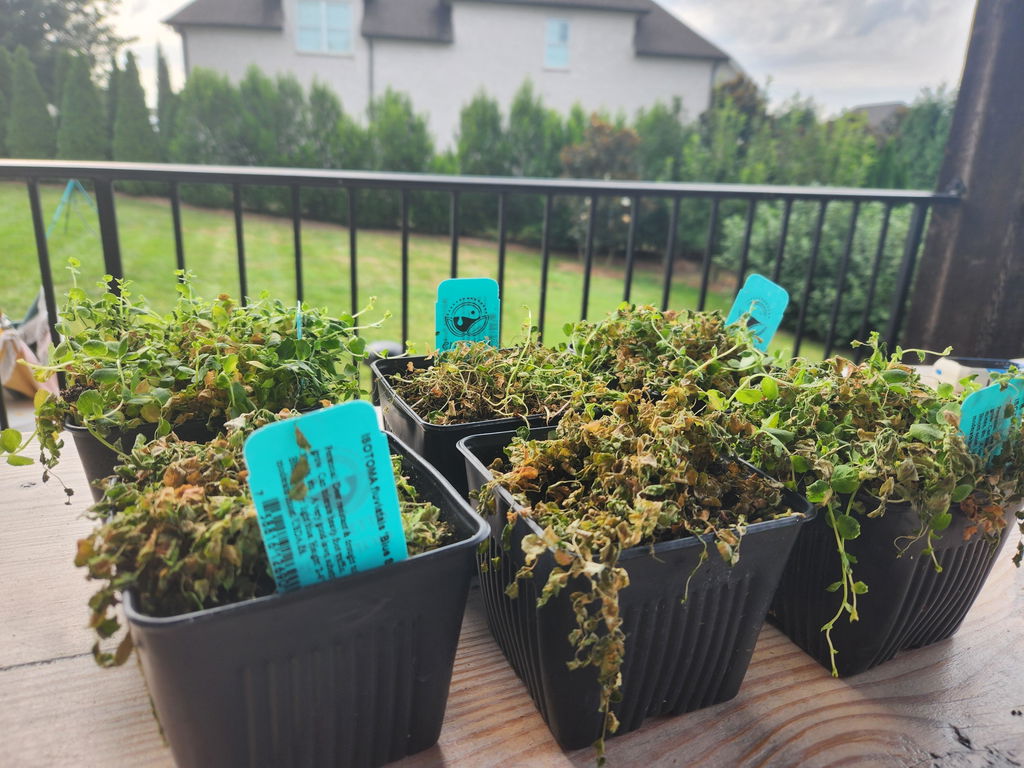
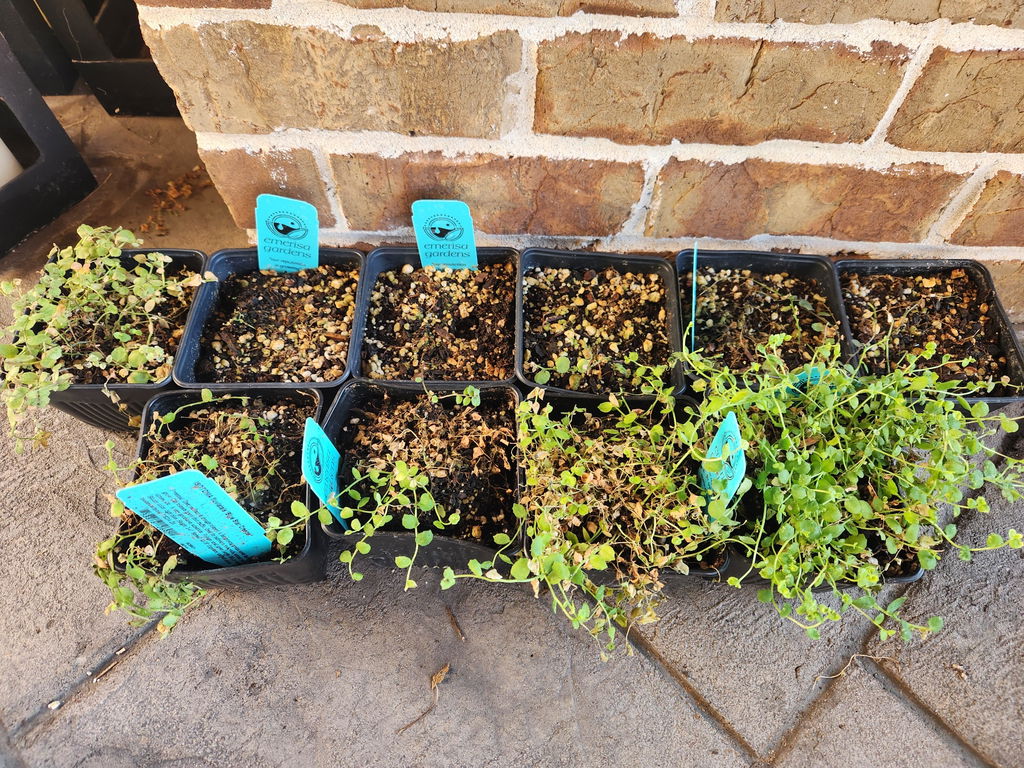
We're really sorry to hear about your experience with the blue star creeper plants. Please know that we stand by our plant guarantee. If a plant does not survive the trip or doesn't thrive right away after planting, we will either replace or refund your order to make it right. We will follow-up with you to make sure that we take care of this. Extreme heat can be very stressful for new plants and we do our best to monitor ship dates based on temperatures.
Great seedlings, fast shipping. The plants are growing and thriving!
Very pretty petunia and held up well in 100 degrees (well watered and part of the time in shade). A lovely plant.
Terrific quickly sent and were healthy plants on arrival at a good price. Look forward to seeing the plants growing and blooming
Ordered 6 pentstemons and 4 lilies. Plants arrived in rough shape. I nursed the lilies and they have all survived. Not so much luck with the pentstemons. I was dead upon arrival. Two others were rough and didn’t survive. The three that are still alive are still touch and go. I think they were in a dark box for too many days during shipping….
.
We are so sorry to hear that the plants did not make the trip in good shape. We have a plant guarantee in place for exactly this reason. It can be challenging to ship live plants in the heat of the summer and we'd be happy to replace your plants that did not arrive healthy for free or refund your order. We'll reach out to you to find out your preference. Thank you for your business and we hope to make this better for you.
They looked healthy when they came. I couldn't plant them for a few days but they grew like crazy when I did! I'd definitely buy from them again.
I am very happy with the Guatemala coneflower I received. It was a good size and very healthy. Thanks so much!
Beautiful plants- arrived in perfect condition.
Perfect shipping and plants were in excellent condition. This company is very communicative.
Great quality plant material. They have been planted for a couple weeka now and appear to be very healthy and happy in thwir new home.
I’ve placed two orders with Planted Places and I’ve been thrilled with both. I recently took up gardening as a meditative hobby. In doing so, I was searching for native plants to cover a giant dirt hill that we currently have. Planted Places website makes it beyond easy to search, determine not only which plants you want but which plants will actually thrive in your zip code! Super cool. Utilizing that tool, I was able to settle on three different kinds of native plants for my yard. So far, they’re settling in nicely. Of note, one of the three plants that I ordered in my second order arrived damaged. Not only did the team at Planted Placed walk me through steps to try and save it, but when that didn’t work, they quickly offered to mail me a replacement. The replacement arrived today and has already been planted. I have items in my cart currently for my next order. Thank you Planted Places for making things easy for this new green thumb. I intend to keep ordering until every patch of dirt in my yard is covered. 5 stars.
I’m in Texas with temperatures currently over 105. The Planted Places team worked with me on when to ship the plants. When the plants arrived they were individually packaged with obvious care. All the plants looked great! After I had them planted in the unbelievable Texas heat the Planted Places team has reviewed pictures of the plants in the ground and provided advice on how to care for the plants.
Service above and beyond every step of the way.
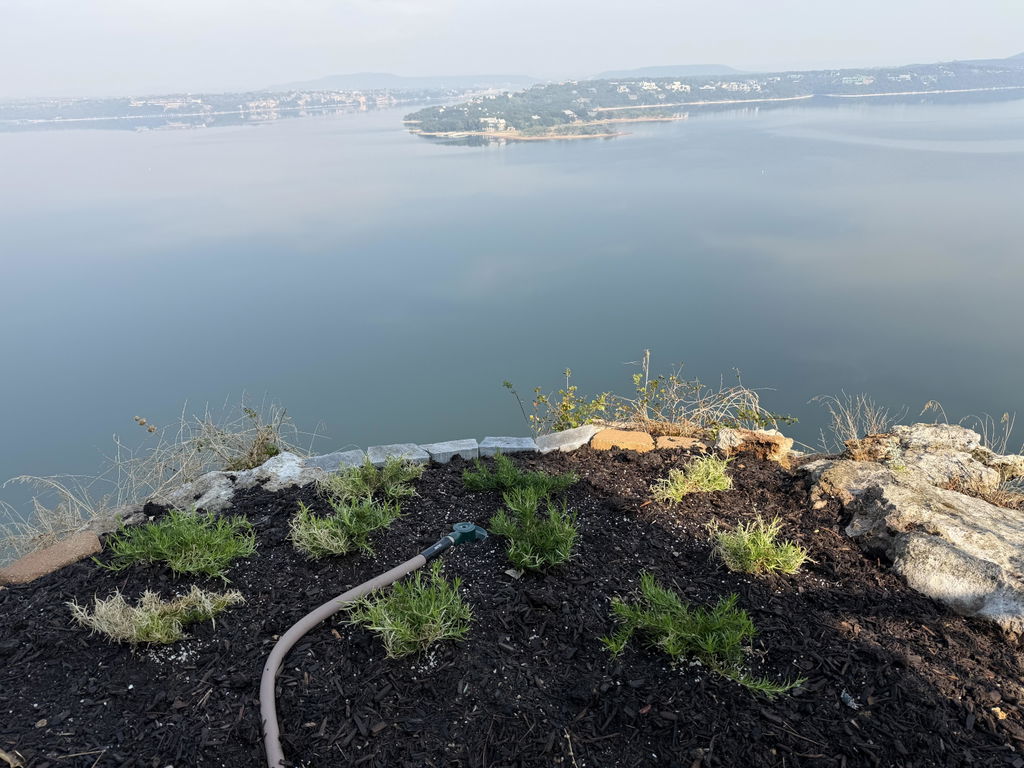
I received and planted my moonshine yarrow just recently and she's already establishing herself and blooming. The plants are a great size and always very healthy.
The Crazy Cayenne Coreopsis arrived healthy and started blooming shortly after I planted it. I ordered a second one.
Plants were excellent quality. Packaged very well because they arrived in great condition. I had a shipping delay and when I reached out customer service responded quickly and ensured me they would stand behind the plants. One of two boxes arrived a day late, but plants were in excellent condition even though they spent some extra time in transit.