










It arrived in great condition, BUT I ordered "CHOCOLATE MINT", not the mint that I got. So, I have to say I'm VERY disappointed. I don't know if I will order from your company again or not. Currently, I'm looking for some place that had the "Chocolate Mint". If you can come up with it and let me know that you have it For Sure, then I will order it from you. But, if you can NOT come up with "Chocolate Mint", then I will order it else where.
Beautiful color. Very graceful in my garden. I bought more after my first order. Holding up well in the summer heat. Great plants.
Due to a delay of 2 days from the delivery truck, 1 of my 2 Jelly Bean Marigold plant dried out, but fortunately the other one survived my TLC and is now blooming beautifully next to a happy fruiting pepper plant.
I love it so much. The plant is doing well. It came in great packaging and you could tell it was well cared for.
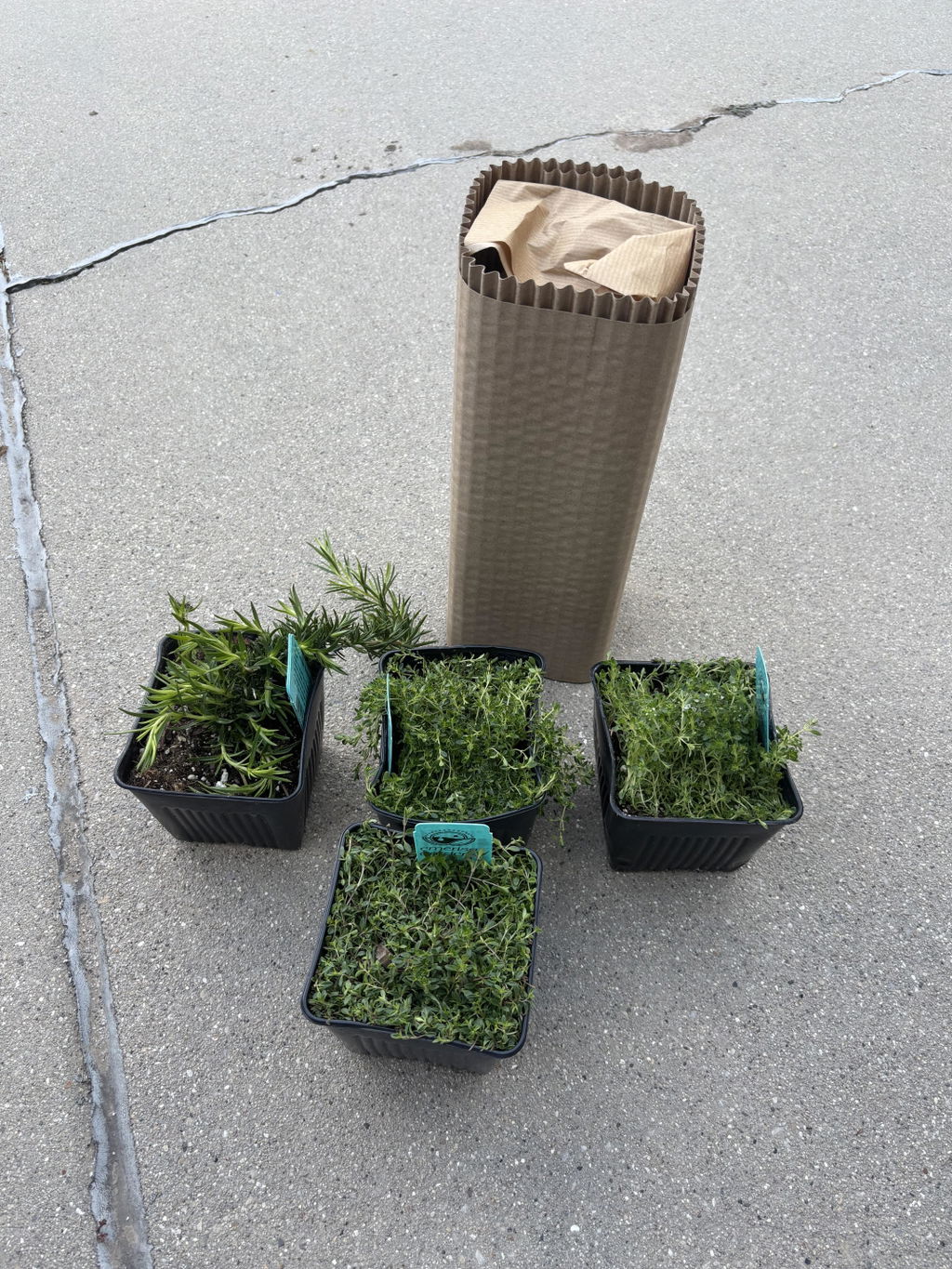
Beautiful healthy plants that arrived quickly and safely. These grasses are starting to turn bronze I have them mixed with black aeoniums by a yellow leafed bush I’m excited to watch!
My plants arrived quickly. They were in great shape, tho a bit dry. It was 95 degrees that week. I repotted them and two weeks later they are blooming. I'm happy!
Great quality plants, shipped quickly and were very healthy! Will be ordering from here again!
Great packing and healthy plant. I love it! Im giving it special attention in Southern California sun.
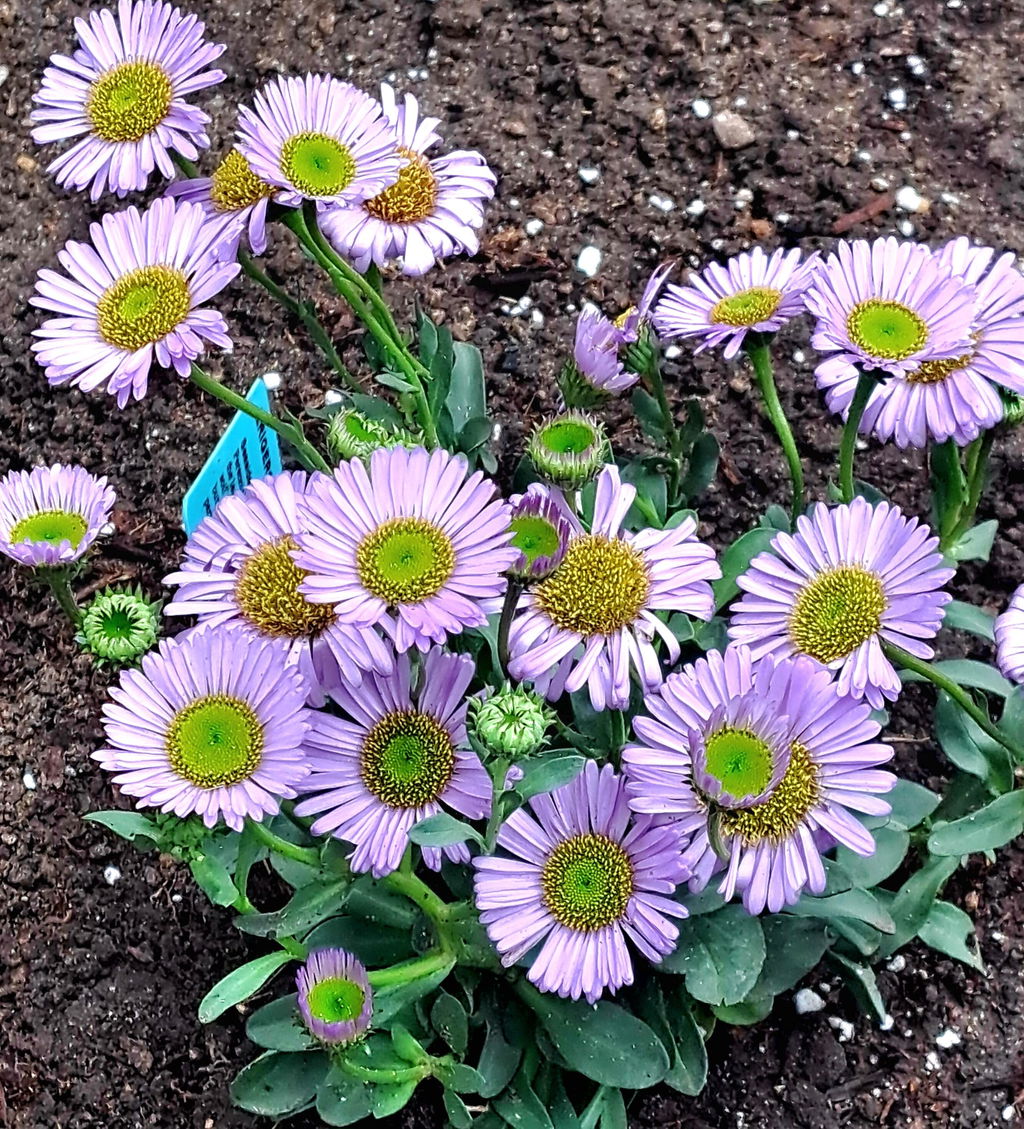
lst plant arrived dead as well as the 2nd. Travelling from California obviously too far for it to survive. Not interest in a 3rd try.
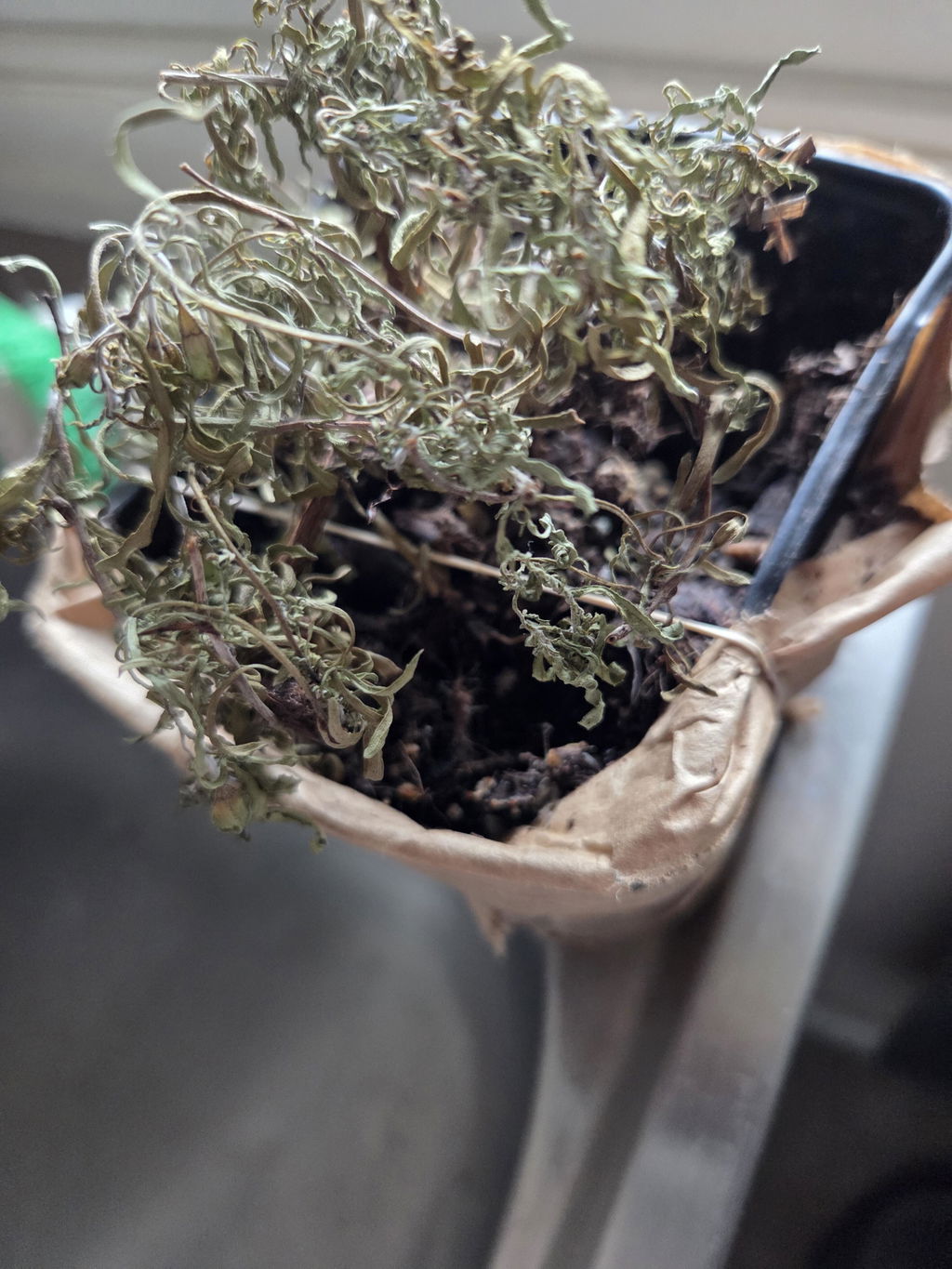
We are so sorry to hear this was your experience, especially with the replacement plant that we sent to you. Shipping during the hot Summer months can be challenging across the country. We take extra care to package and protect the plants. Thank you for giving us a chance. We will provide a refund for your troubles. We appreciate your feedback and are revising our shipping policy for the hot Summer months to minimize issues.
I ordered 6 white Gaura, and they didn’t turn out great, somehow were sad and wilted. Planted Places replaced me with 6 beautiful ones promptly and they are now flowering! Thank you and I’ll be getting more from here!
Sorry to report that the second plant died as well. I am 75 years old and have been gardening most of my life. I receive plants in the mail several times a year and have never had this happen before. Very disappointing!
Thank you for giving us a chance. It is a bummer the plant did not survive and your frustration is valid. We are so sorry to hear this was your experience, especially with the replacement plant that we sent to you. We will provide a refund for your troubles. We appreciate your feedback.
These plants showed up in great condition and have been thriving in my garden. I'll definitely buy more!
The plant was health and full, arriving in perfect condition. I am very pleased.
The 4 ceonothus plants I received were the best packaged plants I have ever purchased! The roots of each plant reached nearly to but in no case touching the pot edges-no curving or tangling at all. The leaves were fresh and green and each plant was packaged so that there was zero harm. Each is thriving now and I will make Planted Places my go to plant shop. I am (obviously) thrilled to have discovered this vendor!
Laila Bottomly
The most gorgeous, lush, healthy plants arrived and are thriving in ground. I would refer anybody
I was so thankful to find my seaside daisies here since my local nurseries did not stock them nor could order them. They arrived well packaged and in excellent condition. They are planted in my garden and thriving.
I ordered 2 plants and both arrived as healthy plants and are looking great in my flower beds.
I am very happy with the plant I ordered. It arrived in excellent condition, and it was a nice size. It was actually larger than I expected. It was well packaged and still moist.
This plant arrived in great shape and has done well.
I order a lot of plant’s online and these were extra special. They were perfectly packed, arrived healthy and well watered and took off immediately once I planted them. I turned around and ordered a bunch more and won’t hesitate to order again. They are already putting out buds, so excited to see them bloom. Thank you!
Plants were healthy, well wrapped for transport and arrived in great shape.
Looking forward to see this variety bloom. I gave great buds, so it should be soon.
I loved the way they ship the plant and it is doing so well! They take the greatest of care getting plants to you safely and healthy.
Even though UPS delivered my plant upside down, this plant was beautiful. No limbs were broken and I was able to transplant with no issues. She is doing well and seems to be incredibly happy. So am I!!!!!
Thank you so much for sending her to me.