








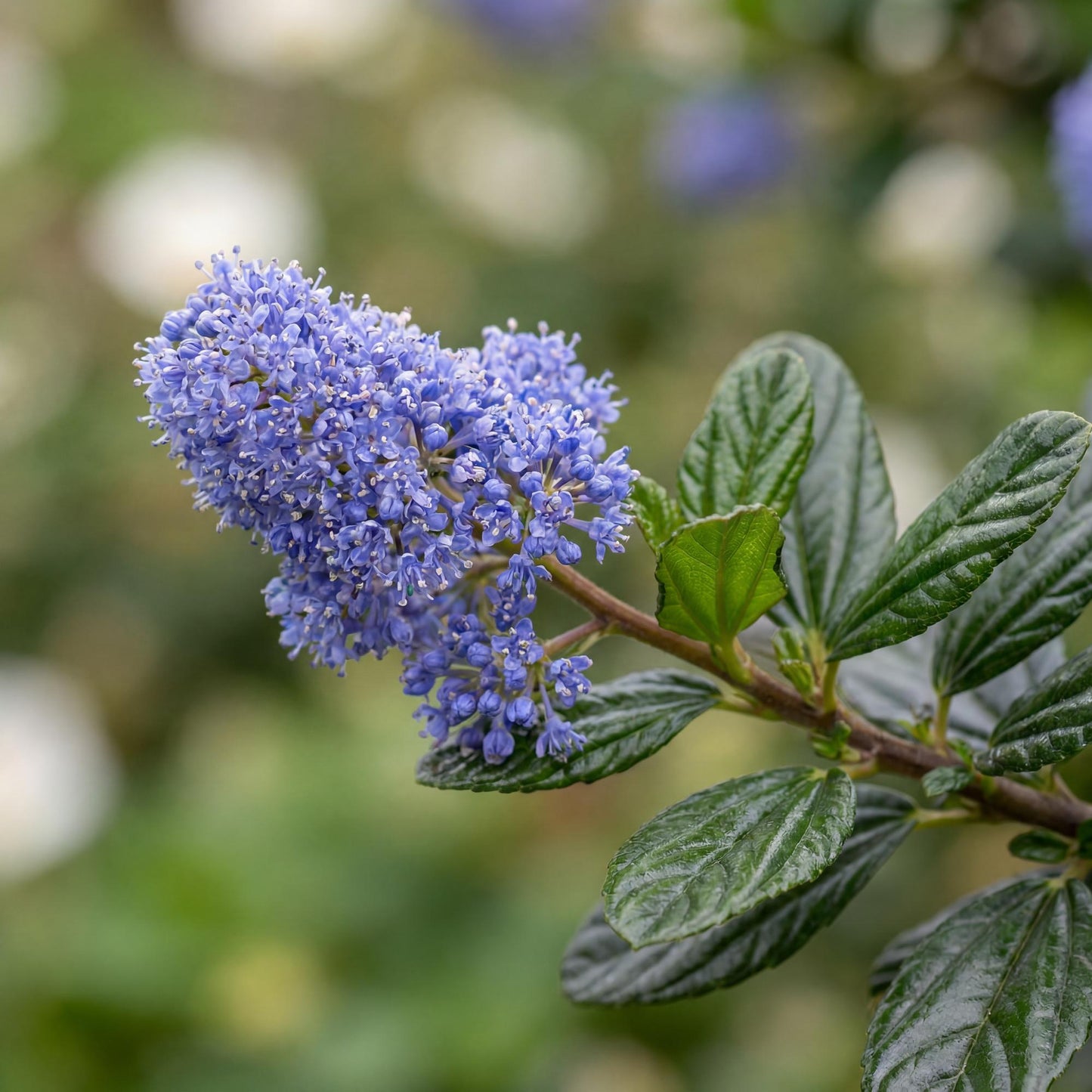
Ordered 6 pentstemons and 4 lilies. Plants arrived in rough shape. I nursed the lilies and they have all survived. Not so much luck with the pentstemons. I was dead upon arrival. Two others were rough and didn’t survive. The three that are still alive are still touch and go. I think they were in a dark box for too many days during shipping….
.
We are so sorry to hear that the plants did not make the trip in good shape. We have a plant guarantee in place for exactly this reason. It can be challenging to ship live plants in the heat of the summer and we'd be happy to replace your plants that did not arrive healthy for free or refund your order. We'll reach out to you to find out your preference. Thank you for your business and we hope to make this better for you.
They looked healthy when they came. I couldn't plant them for a few days but they grew like crazy when I did! I'd definitely buy from them again.
I am very happy with the Guatemala coneflower I received. It was a good size and very healthy. Thanks so much!
Beautiful plants- arrived in perfect condition.
Perfect shipping and plants were in excellent condition. This company is very communicative.
Great quality plant material. They have been planted for a couple weeka now and appear to be very healthy and happy in thwir new home.
I’ve placed two orders with Planted Places and I’ve been thrilled with both. I recently took up gardening as a meditative hobby. In doing so, I was searching for native plants to cover a giant dirt hill that we currently have. Planted Places website makes it beyond easy to search, determine not only which plants you want but which plants will actually thrive in your zip code! Super cool. Utilizing that tool, I was able to settle on three different kinds of native plants for my yard. So far, they’re settling in nicely. Of note, one of the three plants that I ordered in my second order arrived damaged. Not only did the team at Planted Placed walk me through steps to try and save it, but when that didn’t work, they quickly offered to mail me a replacement. The replacement arrived today and has already been planted. I have items in my cart currently for my next order. Thank you Planted Places for making things easy for this new green thumb. I intend to keep ordering until every patch of dirt in my yard is covered. 5 stars.
I’m in Texas with temperatures currently over 105. The Planted Places team worked with me on when to ship the plants. When the plants arrived they were individually packaged with obvious care. All the plants looked great! After I had them planted in the unbelievable Texas heat the Planted Places team has reviewed pictures of the plants in the ground and provided advice on how to care for the plants.
Service above and beyond every step of the way.
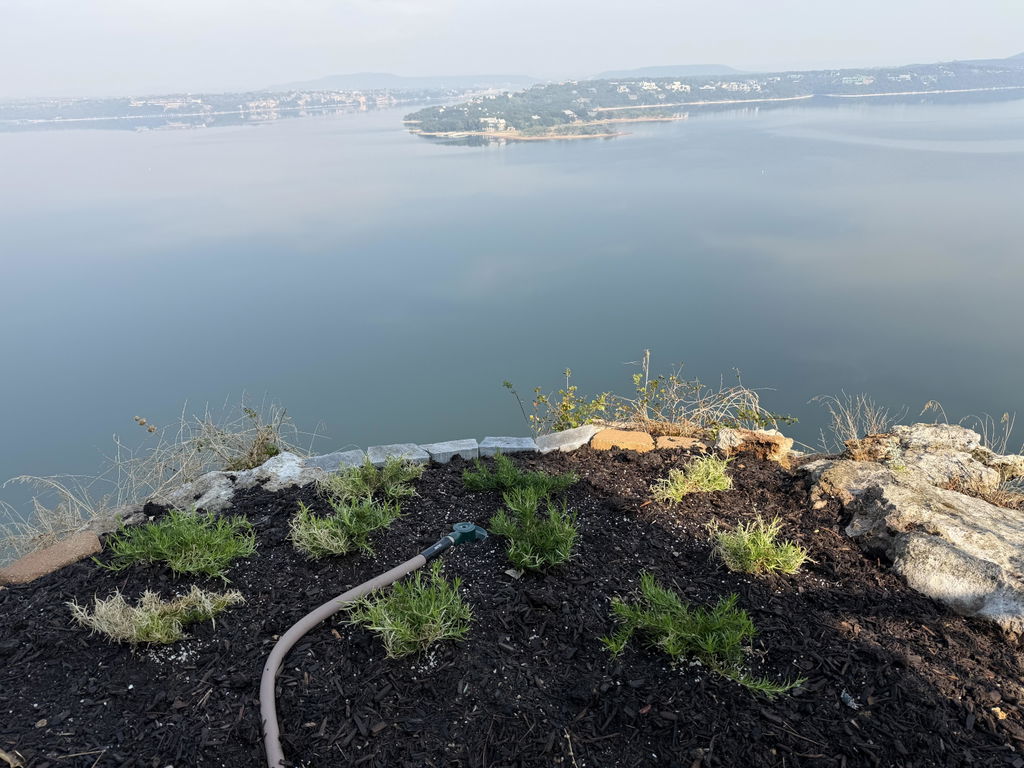
I received and planted my moonshine yarrow just recently and she's already establishing herself and blooming. The plants are a great size and always very healthy.
The Crazy Cayenne Coreopsis arrived healthy and started blooming shortly after I planted it. I ordered a second one.
Plants were excellent quality. Packaged very well because they arrived in great condition. I had a shipping delay and when I reached out customer service responded quickly and ensured me they would stand behind the plants. One of two boxes arrived a day late, but plants were in excellent condition even though they spent some extra time in transit.
Out of all the plants i have ordered these were the best packaged plants. They arrived in great shape and are now growing happily in my yard. I am very impressed with the care Planted Places put into prepping these plants!
The plants arrive in healthy and happy. I am very pleased with nursery and I am now a loyal customer.
Thank you for sending the 2 Jerusalem Sage plants promptly and in excellent condition.
Plant arrived in beautiful condition. Impressed with the size. Looking forward to plant in my Croatian themed garden.