






















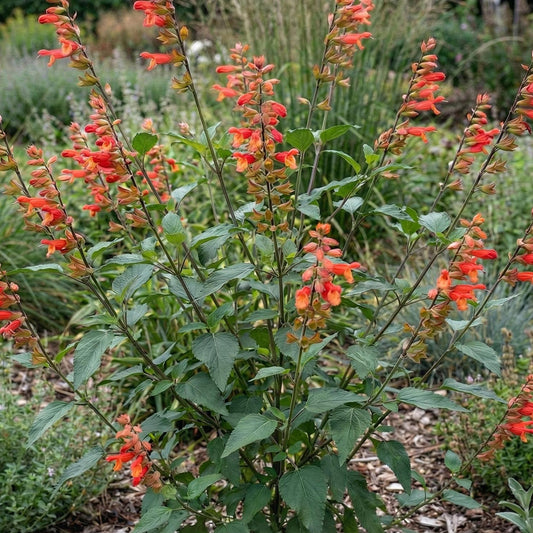

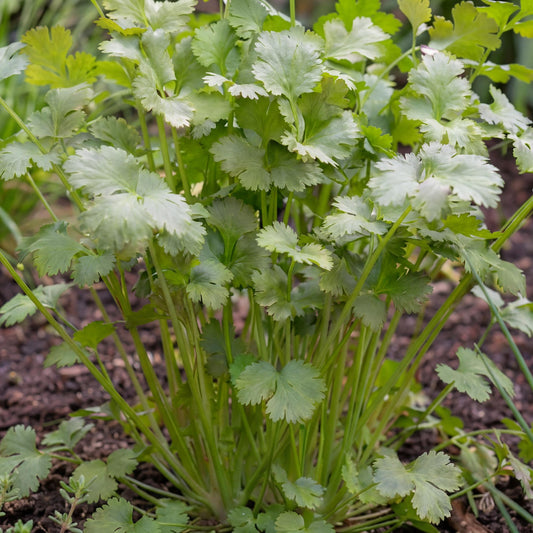


Both died within weeks.
Eric - thank you for letting us know about your Flamenco Red Kniphofia. It is a bummer when the plants don't thrive after transplanting in the ground. We don't want this disappointment to stop a desire to grow more plants in your garden. Check your email from us - we would like to thank you for your business and make this right for you.
As always my plants arrived in a very springy and happy condition. Excellent sized plants - way larger than the typical starter plants. They are doing very well among the other penstemons.
The packing of the bopak pac Choi was amazing and very prompt delivery. I am very pleased and impressed with this company.
So far this new plant is doing very well...thank you for replacing it.
the plant was almost dead/wilted when i got it
We are so sorry to hear about the condition of your plant when you opened the shipment. I trust all is well now that we've replaced the plant for you. We stand by our plant guarantee so that when these infrequent shipments happen, we can make it right! Thank you for the new 5 star review you gave our customer service. We hope to see you back again for more gardening.
I did not receive my whole order. I reached out to two different emails on the website weeks ago with no response. I’d love to give a great review because I like the lettuce I did receive.
Hi Nicole, we're sorry that your order was short a few items and then the lack of response on our end. It's certainly not how we want to take care of our customers. We've followed up with you via our customer support channel to make sure you're taken care of now. We appreciate the business and hope that we can exceed your expectations next time. Happy Gardening!
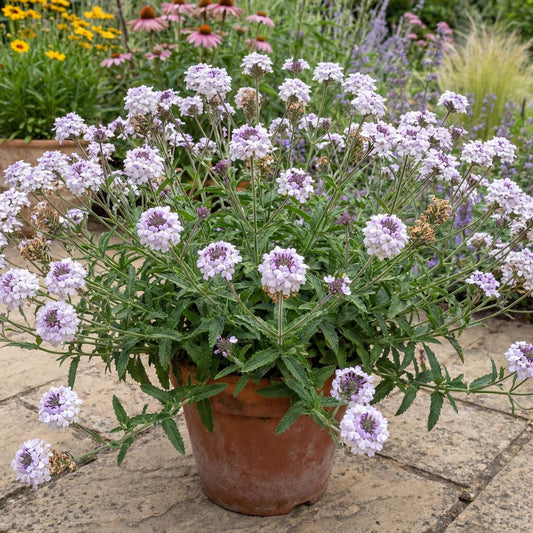
Arrived in great condition and continue to thrive with multiple purple and white blooms. Love the scent.
Received them in excellent condition. Very healthy.
Plants arrived quickly, healthy and a nice size.
I look forward to their blooms next year
They are now blooming . So excited and they are healthy with a beautiful color
This is my second review, but I’m willing to do it because I am so happy with the quality of the plants I receive monthly.
I love the quality, variety and health of the plants. I signed up for a six month subscription so I receive two healthy plants every month along with 10 pounds of their exceptional potting soil. This month in addition to the plants and soil, I received a bottle of fertilizer and a package of seedling fertilizer. I’m extremely happy with Planted Places.
arrived earlier than expected. very well packaged. plant is very green and seems to be doing well since transplanting in the ground. very pleased with the whole process and plants
had 2 little buds when delivered and after planting in the ground about 4-5 days later had about 15 buds. very pleased. planting seems very healthy, packaging was well thought out to protect the plant and delivery was very fast, arriving a day earlier than expected.
Plants arrived in beautiful condition. I will buy again from this company!
Plant was destroyed in transit. I can propagate, but for as much as I spent I’d hoped for a fully established healthy plant.
We are so sorry to hear about the condition of your plant upon arrival. Sometimes shipping can be rough on plants although we do our best to package them carefully knowing that it's hard to predict how the box will be handled. This is why we have a plant guarantee in place - to ensure you're well taken care of. We'll reach out to you to see if you want to a replacement or refund. Thank you for your trust in our business.